Noah: The Broadway-Inspired Marquee Display Font
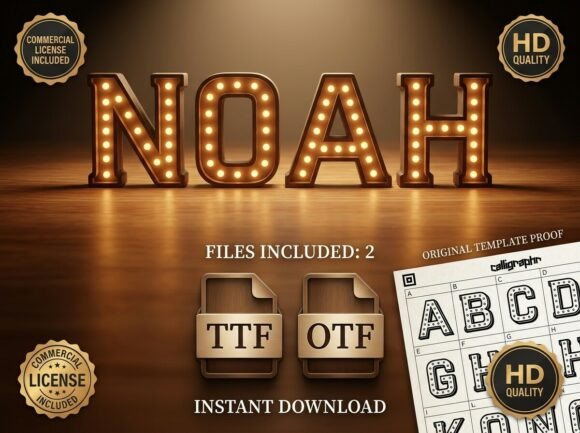
Imagine the bright lights of a vintage theater marquee, instantly recognizable and full of drama. Now, imagine capturing that luminous, architectural presence directly in your typography. This is the essence of Noah, a high-definition display font that bridges the gap between classic Hollywood glamour and contemporary graphic design.
What Makes Noah Unique in Modern Typography?
At its core, Noah is a bold, architectural slab-serif typeface. What sets it apart is its meticulously crafted internal "light bulb" pattern, designed to mimic the glowing signage of classic Broadway theaters and 1950s cinema. This isn't just a font; it's a visual system that brings an "Old Hollywood" soul and a starlight aesthetic to any project. For designers seeking to make a powerful visual statement, Noah offers a unique tool that combines readability with unmistakable character.
In the landscape of visual design, typography is a cornerstone of brand identity. A typeface like Noah doesn't just spell out words; it communicates a specific mood, era, and level of sophistication. Its bold, luminous forms are engineered for high impact, making it an exceptional creative asset for projects that demand attention.
Practical Applications for a High-Impact Typeface
The true value of a design asset is measured by its versatility and effectiveness across different mediums. Noah’s distinctive style makes it particularly suited for applications where atmosphere and first impressions are critical. Consider integrating it into your design workflow for the following:
- Branding and Logo Design: Create unforgettable logos for independent theaters, film production companies, luxury event venues, or retro-themed brands. The font's inherent drama can form the entire foundation of a visual identity.
- Marketing and Social Media Graphics: Design red-carpet event posters, movie premiere invitations, or high-impact social media headers that stop the scroll. Its luminous quality translates beautifully to digital screens, ensuring your message shines.
- Web and UI Design: Use Noah for hero sections, landing page banners, or promotional website headers to establish a strong visual hierarchy and set a cinematic tone for the user experience.
- Editorial and Packaging Design: Elevate magazine covers, book titles, or specialty product packaging—especially for goods related to entertainment, gourmet food, or vintage collectibles—where shelf appeal is paramount.
Integrating Bold Typography into Your Design System
Using a display font like Noah effectively requires thoughtful consideration. Its strength lies in its ability to command attention, so it's best used for headlines, logos, and short, impactful phrases rather than body text. Here are some practical tips for evaluation and application:
- Prioritize Readability and Scale: Always test the font at the intended size. Noah's internal details are designed for larger displays; ensure the "light bulb" effect remains clear and doesn't become visual noise at smaller scales.
- Establish Visual Hierarchy: Pair Noah with a clean, neutral sans-serif or serif font for body copy. This contrast creates a dynamic and balanced layout, allowing the display font to fulfill its role as the star of the show without overwhelming the entire design.
- Consider Your Color Palette: The font’s theatrical nature pairs well with rich, deep colors (like navy, burgundy, or black) and metallic accents (gold, silver) to enhance its vintage charm. High-contrast backgrounds can make the letterforms pop dramatically.
- Align with Audience Expectations: Ensure the font's personality matches your brand's voice and your audience's expectations. It's perfect for evoking nostalgia, luxury, and entertainment, but may not suit minimalist or highly technical brands.
Choosing the right typography is a fundamental design decision that influences perception, engagement, and communication. Assets like Noah provide more than just letters; they offer a complete aesthetic and emotional narrative. By selecting typefaces that align with your project's goals and using them with strategic intent, you transform your creative projects from merely informative to genuinely resonant, ensuring your visual communication is both beautiful and powerfully effective.