Graffi: A Bold Typography Asset for Modern Design
Imagine a font that doesn't just sit on the page but pulls you into a dynamic, visual puzzle. This is the power of Graffi, a conceptual display typeface that transforms letterforms into intricate, high-impact art. For designers seeking to inject immediate energy and a distinct modern edge into their work, understanding how to leverage such a specialized creative asset is key to standing out.
Deconstructing the Visual Language of Graffi
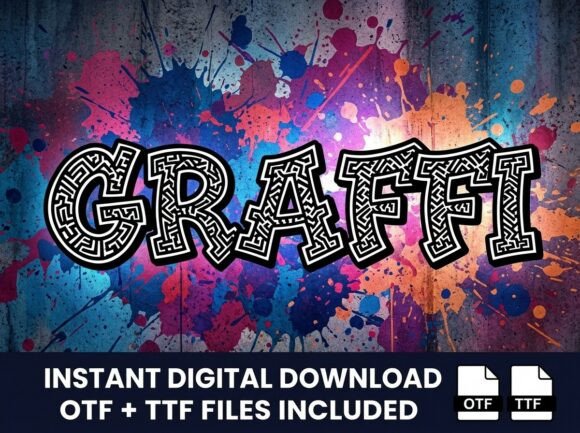
At its core, Graffi is built upon heavy, blocky slab-serif letterforms, giving it a foundational strength and presence. However, its true innovation lies in its execution. The characters are hollowed out, creating a canvas for a complex, interlocking labyrinth network of crisp white pathways. This isn't just a font; it's a system of high-contrast geometric patterns that generate a rhythmic, almost kinetic motion within text blocks. The result is a typeface that commands attention, making it a powerful tool for projects where visual hierarchy and immediate impact are paramount.
Practical Applications for Maximum Impact
The ultra-stylized nature of this maze pattern display font makes it exceptionally suited for specific, high-energy applications. Its structure communicates innovation, complexity, and a street-smart aesthetic. Consider integrating Graffi into your design workflow for:
- Brand Identity & Logo Design: Perfect for streetwear labels, skate brands, tech startups, or gaming studios looking to establish a bold, contemporary identity. It works exceptionally well as a logomark or for monogram-style logos.
- Marketing & Advertising: Use it for headline text on posters, digital ads, and event flyers, especially for music festivals, underground gaming tournaments, or product launches targeting a young, discerning audience.
- Digital & Social Media Content: Create scroll-stopping social media graphics, YouTube thumbnails, or website hero sections. Its intricate detail encourages closer inspection, boosting engagement.
- Packaging & Merchandise: Elevate the unboxing experience for limited-edition product packaging, or create standout apparel graphics for band tees and skate shop merchandise.
- Editorial & Presentation Design: Use it sparingly for chapter titles in a magazine, section headers in a presentation, or for creating a striking cover design that communicates a modern, edgy theme.
Integrating Conceptual Fonts into Your Design Strategy
While a font like Graffi offers incredible visual flair, its effective use requires strategic thinking. The primary goal is to enhance communication, not hinder it. Its highly detailed pathways mean it is best reserved for large display sizes where its labyrinthine details can be fully appreciated. At small sizes, the intricate lines may merge, compromising readability.
When building a visual hierarchy, pair Graffi with a clean, neutral sans-serif or a simple serif font for body text. This contrast ensures the headline captivates while supporting text remains clear and legible. Always consider your color palette; high-contrast combinations (like white pathways on a dark background) will maximize its graphic impact. Finally, test its scalability across different mediums—from a tiny favicon to a large-format banner—to ensure its integrity holds.
Choosing the right creative assets is about aligning form with function. A typeface with a strong conceptual foundation, like this maze pattern display font, does more than spell words—it builds an atmosphere, tells a story, and solidifies a brand's visual language. By thoughtfully applying such tools, designers and creators can move beyond mere decoration to craft cohesive, memorable, and professionally compelling visual communications that resonate deeply with their intended audience.