Elegant Handwriting for Modern Design: The Against Typeface
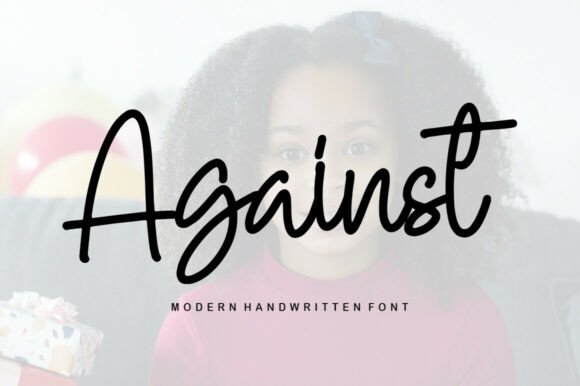
In the crowded landscape of digital assets, a single typeface can transform a generic layout into a memorable brand experience. Against is a delicate, elegant, and flowing handwritten font that brings a distinct human touch to any project. It has beautiful and well-balanced characters, and as a result, it matches a wide pool of designs, making it a versatile tool for graphic designers seeking authenticity and sophistication. Understanding how to leverage such a font is crucial for effective visual communication.
The Role of Typography in Brand Identity
Typography is more than just choosing a font; it is a fundamental pillar of brand identity. When you select a typeface like Against, you are defining the voice of your brand. Its flowing nature suggests creativity, warmth, and elegance, making it an ideal choice for brands that want to appear approachable yet professional. In visual design, consistency is key. Using a cohesive typeface across your logo design, packaging design, and web design helps build trust and recognition among your target audience.
Practical Applications for Creative Projects
The versatility of a well-crafted handwritten font allows it to shine across various mediums. Whether you are working on digital marketing assets or physical print design, the right typography enhances the user experience. Here are several practical applications where a font like Against excels:
- Logo Design and Branding: Create a distinctive wordmark that feels personal and bespoke. It works beautifully for boutique shops, lifestyle brands, and creative agencies.
- Social Media Graphics: Handwritten fonts add personality to Instagram stories, quote cards, and promotional posts, helping to stop the scroll and increase engagement.
- Editorial Design: Use it for pull quotes or subheadings in magazines and blogs to break up text-heavy layouts and add visual interest.
- Wedding Stationery and Invitations: The elegant flow of the characters is perfect for formal invitations, menus, and event signage.
- Packaging Design: A handwritten script can elevate product labels, especially in the food, beauty, and fashion industries, signaling artisanal quality.
Integrating Fonts into Your Design Workflow
To maintain a professional presentation, designers must consider readability and visual hierarchy. While Against is stunning for headlines and accents, long-form body copy typically requires a clean, sans-serif or serif font to ensure legibility. When pairing fonts, contrast is your friend. Pairing the delicate strokes of a script font with a bold, geometric sans-serif creates a dynamic and modern aesthetic that guides the viewer's eye effectively.
Furthermore, consider the scalability of your chosen creative assets. A high-quality font should render well on high-resolution screens and in print. Always test your typography across different devices and sizes to ensure the user interface (UI) remains accessible. In the realm of digital products, clarity often trumps decorative flair, so use expressive fonts strategically to highlight key messages without overwhelming the user.
Tips for Effective Typography Selection
- Define the Goal: Determine if the design needs to be authoritative, playful, or romantic, and choose a font that matches that mood.
- Check the License: Ensure the font license covers your specific usage, whether for web design, merchandise, or advertising campaigns.
- Evaluate Character Support: Look for fonts that include a full set of glyphs, numbers, and punctuation to avoid design limitations.
- Test in Context: Don't just look at the font in isolation. Place it within your color palette and alongside your imagery to see how it interacts with other elements.
Ultimately, the success of any creative project relies on the thoughtful selection of its components. High-quality typography acts as the bridge between your message and your audience, influencing how your content is perceived and remembered. By incorporating elegant and versatile assets like the Against