Dustwood: A Slab Serif for Modern Branding
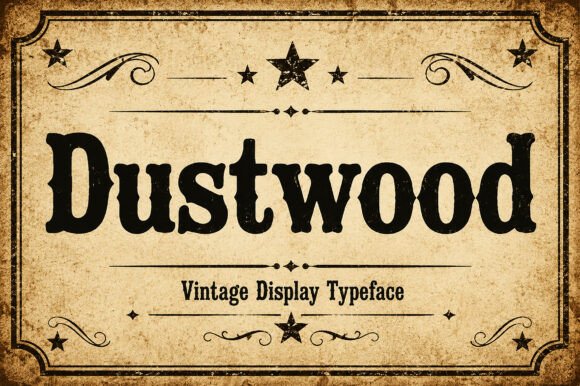
Finding a typeface that balances whimsy with professional weight is a rare design challenge. Dustwood, a robust and whimsical slab serif, rises to meet it, offering a joyful charm that transforms creative projects. This font is more than just letterforms; it's a tool for visual communication that blends boldness with a soft, handcrafted vibe, making it an invaluable asset for designers seeking to inject energy and approachability into their work.
Understanding the Visual Language of Dustwood
At its core, Dustwood is a study in contrast. Its substantial, sturdy letterforms provide a strong visual anchor, essential for creating effective visual hierarchy in any design. Yet, its subtly irregular edges and gentle serif details soften this strength, introducing a playful, human touch. This unique combination allows it to command attention without feeling harsh, making it exceptionally legible and adaptable across a myriad of design scenarios. For graphic designers, this means a single typeface can bridge the gap between authoritative branding and friendly, engaging content.
Practical Applications in Design and Branding
The true value of a creative asset lies in its versatility. Dustwood's chameleon-like nature allows it to excel across various media, strengthening brand identity and enhancing user engagement.
- Branding and Logo Design: Dustwood is ideal for crafting logos that need to feel both confident and approachable. It helps define brand tones that are upbeat, playful, or artisanal, making it perfect for startups, lifestyle brands, and creative agencies.
- Marketing and Packaging: From striking posters to eye-catching product packaging, Dustwood ensures your message is seen. Its boldness works beautifully for headlines on brochures, while its charm adds a unique touch to labels and merchandise.
- Digital and Social Media: In the fast-paced world of digital marketing, readability is key. Dustwood remains effortlessly legible on screen, making it a powerful choice for social media graphics, website headers, and UI elements that require a distinctive personality. It lights up feed-based layouts with memorable quote callouts and show-stopping badges.
- Editorial and Print Design: For creative book covers, greeting card messages, or expressive children's products, Dustwood’s whimsical character adds narrative depth. It contributes to a polished, professional presentation in editorial layouts where visual storytelling is paramount.
Integrating Typography into Your Design Workflow
Selecting the right typeface is a strategic decision that impacts consistency, scalability, and overall design quality. When evaluating a font like Dustwood, consider these practical factors:
- Audience and Goals: Does the font's personality align with your target audience and project objectives? Dustwood’s playful energy suits brands targeting a younger demographic or those wanting to convey creativity and warmth.
- Visual Hierarchy: Use Dustwood for headlines or key callouts to draw the eye, pairing it with a simpler, neutral sans-serif for body text to maintain balance and readability.
- Compatibility: Test how the font interacts with your existing color palette, imagery, and other design elements. Its handcrafted vibe pairs well with organic textures, vibrant colors, and minimalist layouts alike.
- Scalability: Ensure the font performs well at various sizes, from large-scale poster headings to smaller label text, maintaining its character and legibility.
Thoughtful design choices are the foundation of effective visual communication. By incorporating high-quality, versatile creative assets like Dustwood into your toolkit, you do more than just decorate a layout—you build a cohesive visual language that resonates with your audience. This intentional approach to typography and design elevates projects from mere arrangements of elements to compelling stories that engage, inform, and inspire.